Source for honda motorcycle fuel pump for SCR 110 Spacy 110 Wh110t-2
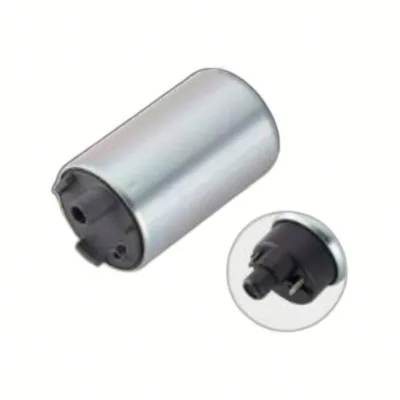
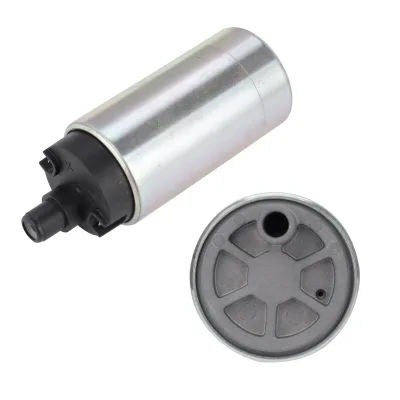
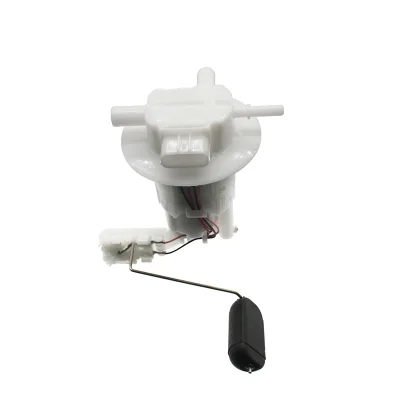
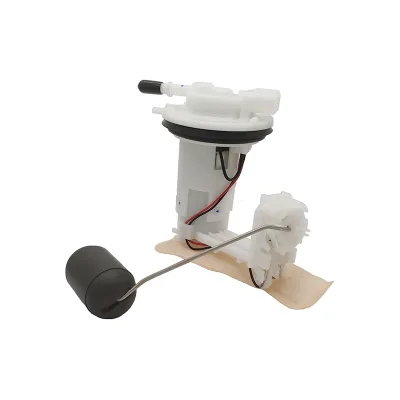
Compare 30 listings for the for honda motorcycle fuel pump featuring parts like 16800-Ggc-902 and 16700-K20-901. Buyers can evaluate specifications such as 12V voltage, 3.0 Bar pressure, and flow rates for various Honda models including GL1500A.
Key considerations
Products List


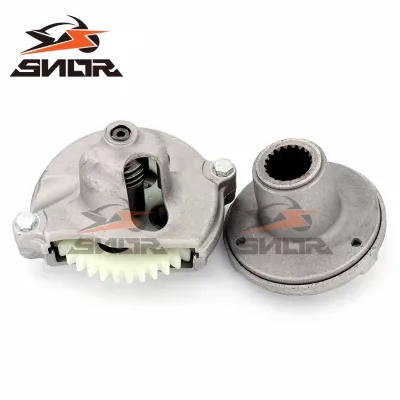
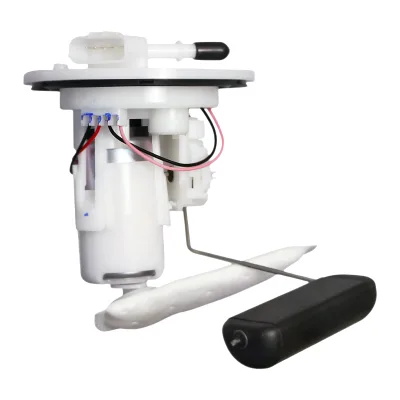
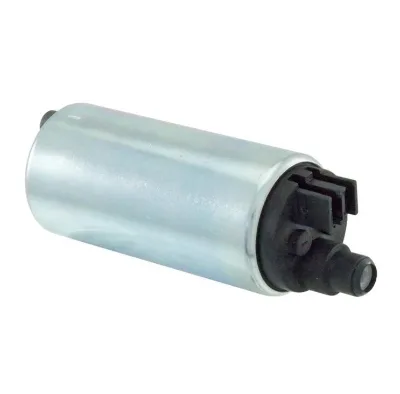
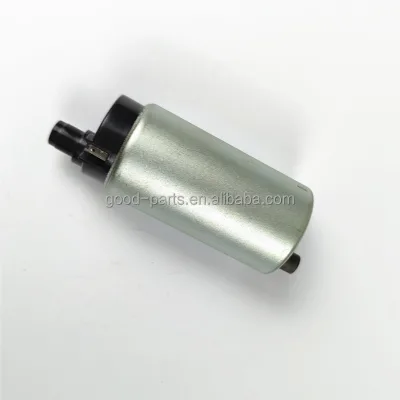
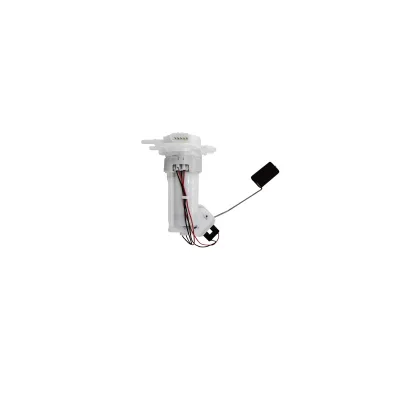


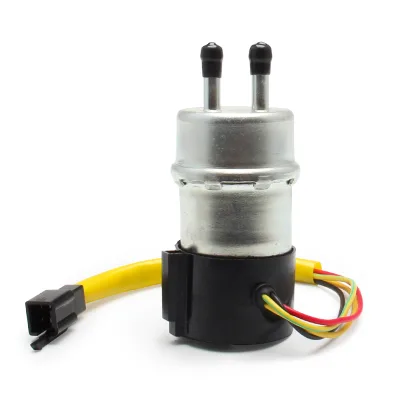
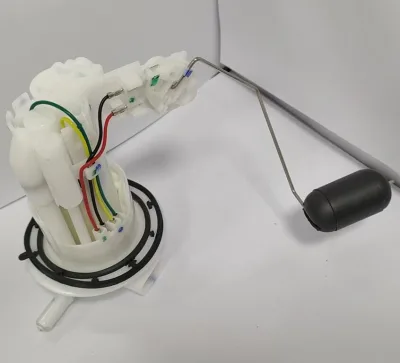
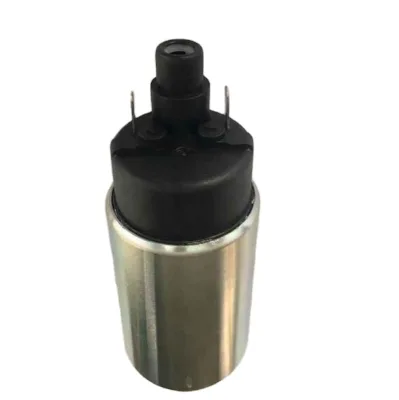
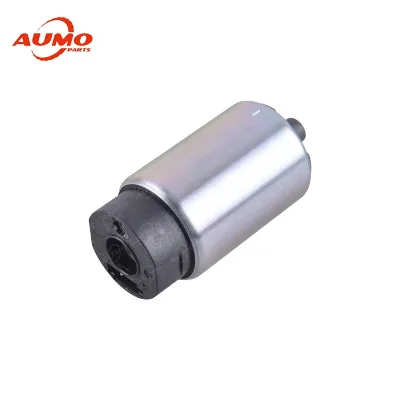
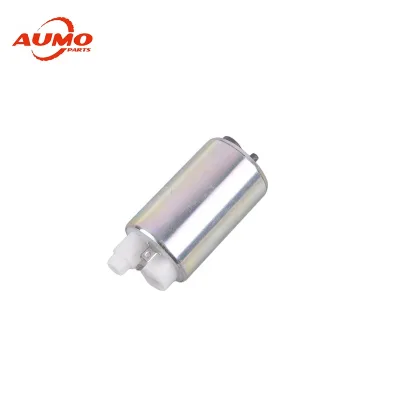


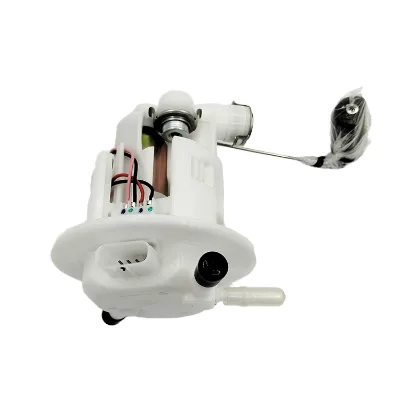

Comprehensive Sourcing Guide
Strategic Sourcing Guide for Honda Motorcycle Fuel Pumps
Understanding Technical Specifications and Compatibility
When sourcing fuel pumps specifically for Honda motorcycles, the primary objective is ensuring exact mechanical and electrical compatibility with the vehicle's fuel injection system. The market data indicates a diverse range of part numbers that correspond to specific Honda models and engine configurations. Buyers must recognize that a single generic description often masks significant internal differences. For instance, specific part numbers such as 16700-KYZ-713, 16800-GGC-902, and 16700-K20-901 represent distinct units designed for different engine families. The 16800-GGC-902 is explicitly noted for applications involving Honda SCR 110, Spacy 110, and WH110T-2 models, while other part numbers like 16700-GGC-C51 and 16700-K12-901 serve different iterations of the motorcycle lineup.
Electrical specifications are equally critical for successful integration. The observed data highlights a standard voltage requirement of 12V, which is typical for most motorcycle electrical systems. However, the current draw can vary; specific units are documented with a current rating of 2.2A. Performance metrics also differ based on the intended application. Some units are engineered for a flow rate of 30L/H and a working pressure of 3.0 Bar, which are essential parameters for maintaining proper fuel delivery in fuel injection systems. Conversely, other components may be categorized under "Fuel System" or "Power Machine" with varying stroke types, such as four-stroke engines, and cooling styles ranging from air-cooled to water-cooled. Buyers must verify that the replacement part matches the original equipment manufacturer (OEM) specifications regarding these physical and electrical traits to prevent engine performance issues or failure.
Compliance, Certification, and Material Standards
Verifying the compliance and certification status of a fuel pump is a non-negotiable step in the procurement process. The supply chain for these components often references ISO9001 certification as a baseline for quality management systems. This certification suggests that the manufacturing facility adheres to standardized processes for quality control, though it does not guarantee the specific performance of every individual unit. It is crucial to understand that certification status is a property of the supplier's facility rather than a direct attribute of the product itself.
Material composition is another vital area of verification. The observed market data indicates that fuel pumps are constructed from a combination of metal and plastic. This hybrid construction is designed to balance durability with weight reduction and corrosion resistance. Some listings specify the material grade as "Original," implying a direct replacement for the factory-installed component, while others may use generic descriptions. Buyers should request material data sheets to confirm the specific alloys and polymer grades used, ensuring they meet the chemical resistance requirements for modern gasoline blends. Additionally, the product condition is consistently listed as "New," but this should be cross-referenced with packaging details. Standard packaging often includes PVC bags or paper packing, sometimes supplemented with bubble film and neutral boxes to prevent transit damage. The presence of proper packaging is an indirect indicator of the supplier's attention to detail and logistics capabilities.
Cost Drivers and Pricing Dynamics
The pricing structure for Honda motorcycle fuel pumps is influenced by several variables, including part complexity, material costs, and order volume. The observed market data reveals a wide price range, spanning from 0.3 USD to 73 USD. This significant variance suggests that the market includes both low-cost generic replacements and high-specification OEM-grade components. The lower end of the spectrum may correspond to basic units or those with minimal packaging, while the higher end likely reflects premium materials, specific engineering for high-performance models, or inclusion of additional warranty services.
Minimum Order Quantity (MOQ) is a primary driver of the effective unit cost. The data shows an MOQ range from 1 to 500 pieces. Suppliers offering an MOQ of 1 are typically catering to small repair shops or individual buyers, often at a higher per-unit price point. In contrast, suppliers requiring an MOQ of 50 pieces or more, such as the 50 PCS threshold noted in specific listings, are targeting wholesale distributors or large fleet operators. These bulk orders usually benefit from economies of scale, reducing the cost per unit. Buyers must calculate the total cost of ownership, which includes the unit price, shipping costs, and potential inventory holding costs. A lower MOQ might be preferable for testing a new supplier or for urgent, small-scale repairs, whereas a higher MOQ is necessary for long-term stock replenishment to maximize cost efficiency.
Typical Applications and Model Fitment
The application scope for these fuel pumps is extensive, covering a wide array of Honda motorcycle models. The data explicitly links specific part numbers to distinct motorcycle series. For example, the 16800-GGC-902 is designed for the Honda SCR 110, Spacy 110, and WH110T-2 models, which are often 110cc commuter bikes. Other part numbers, such as 16700-K20-901 and 16700-GGC-C51, may serve different displacement classes or model years. The "Car Fitment" attribute in the data points to "Honda motorcycle," confirming the brand specificity, but the exact model year is also a critical filter. One specific listing mentions the year 2000, indicating that some components are tailored for older models, while others may be compatible with newer iterations.
Furthermore, the application extends beyond simple replacement; these pumps are integral to the fuel injection system. The "Application" attribute confirms their role in fuel injection systems, distinguishing them from carbureted engine components. The working pressure of 3.0 Bar and flow rate of 30L/H are critical for ensuring the engine receives the correct fuel mixture under various operating conditions. Buyers must match the part number not just to the model name but to the specific engine code and production year. Misidentification can lead to fuel delivery issues, such as lean or rich running conditions, which can damage the engine or cause poor performance. The "Purpose" attribute, listed as "for replace/repair," underscores that these are aftermarket solutions intended to restore the original functionality of the vehicle.
Supplier Evaluation and Origin Verification
Evaluating potential suppliers requires a rigorous assessment of their operational capabilities and geographic location. The data consistently identifies the place of origin as Zhejiang, China, a region known for its manufacturing prowess in automotive parts. However, the location alone does not guarantee quality. Buyers should verify the supplier's production capacity, lead times, and ability to handle customization requests. The "Customization" attribute is marked as "Available" in several listings, suggesting that some suppliers can modify packaging or specifications to meet specific buyer needs. This flexibility is a valuable asset for buyers with unique requirements or those looking to rebrand products.
Supplier reliability is often reflected in their certification status and packaging standards. A supplier claiming ISO9001 certification should be able to provide valid documentation. Additionally, the packaging details, such as the use of bubble film and neutral boxes, indicate a commitment to product protection during shipping. Buyers should inquire about the supplier's quality control processes, including how they handle returns and defects. The "Single package size" varies, with some units measuring 10.5x4x4 cm, which impacts shipping logistics and storage requirements. Understanding these logistical details helps in planning the supply chain efficiently.
Quality Control and Long-Term Procurement Considerations
Implementing a robust quality control (QC) protocol is essential for mitigating risks associated with aftermarket parts. Given the critical role of the fuel pump in engine operation, even minor defects can lead to significant failures. Buyers should establish clear acceptance criteria based on the technical specifications provided, such as voltage, current, flow rate, and working pressure. Regular sampling and testing of incoming shipments can help identify deviations from the standard. The "Grade" attribute, often listed as "Original," should be verified through physical inspection or third-party testing to ensure the material quality matches the OEM standard.
Long-term procurement strategies should focus on building relationships with reliable suppliers who can consistently meet quality and delivery expectations. The "Main Market" for these products is Southeast Asia, which suggests a mature supply chain in that region. Buyers targeting this market should consider local logistics and regulatory requirements. Additionally, the "Stroke" and "Cold Style" attributes (Four Stroke, Air-Cooled/Water-Cooled) must be matched precisely to the vehicle's engine design. Over time, buyers may need to adapt their sourcing strategy based on changes in part availability or technological advancements. Maintaining a diverse supplier base can provide flexibility in case of supply chain disruptions. Ultimately, the goal is to secure a steady supply of high-quality fuel pumps that ensure the reliability and performance of the Honda motorcycles in the buyer's inventory.
Comparative Analysis of Key Product Attributes
To facilitate a clearer understanding of the market landscape, the following table summarizes the key attributes observed in the product data. This comparison highlights the diversity in part numbers, specifications, and packaging, aiding buyers in making informed decisions based on their specific needs.
| Attribute Category | Observed Value / Range | Relevance to Procurement |
|---|---|---|
| Part Number | 16700-KYZ-713, 16800-GGC-902, 16700-K20-901, 16700-GGC-C51, 16700-K12-901 | Critical for model compatibility; must match OEM code exactly. |
| Voltage | 12V | Standard for motorcycle electrical systems; essential for system integration. |
| Current | 2.2A | Indicates power consumption; must match vehicle electrical capacity. |
| Flow Rate | 30L/H | Determines fuel delivery capacity; vital for engine performance. |
| Working Pressure | 3.0 Bar | Ensures proper fuel atomization in injection systems. |
| Material | Metal + Plastic | Affects durability and corrosion resistance; verify grade. |
| Certification | ISO9001 | Indicates supplier's quality management system maturity. |
| MOQ | 1 - 500 PCS | Influences unit cost and inventory strategy. |
| Origin | Zhejiang, China | Indicates manufacturing hub; affects lead time and logistics. |
| Packaging | PVC Bags, Paper Packing, Bubble Film + Neutral Box | Impacts product protection and shipping costs. |
| Application | Fuel Injection System | Confirms suitability for modern Honda models. |
| Fitment | Honda SCR 110, Spacy 110, WH110T-2, GL1500A | Specific model matching required to avoid fitment issues. |
This structured approach to evaluating product attributes ensures that buyers can navigate the complexities of the fuel pump market effectively. By focusing on these specific data points, procurement professionals can minimize risks and secure components that meet the rigorous demands of Honda motorcycle maintenance and repair.
FAQs
Which part numbers fit specific Honda motorcycle models?
Specific part numbers like 16800-GGC-902 fit Honda SCR 110 and Spacy 110 models. Other codes such as 16700-KYZ-713 serve different engine families. Buyers must match the exact code to the vehicle's engine configuration to ensure proper fuel injection system integration.
What voltage and current specifications do these pumps require?
These pumps typically operate at a standard voltage of 12V. Specific units are documented with a current rating of 2.2A. Ensuring the electrical specifications match the motorcycle's system is critical for preventing engine performance issues or electrical failures during operation.
Can I find suppliers with ISO9001 certification for these parts?
Yes, suppliers often reference ISO9001 certification as a baseline for their quality management systems. This indicates adherence to standardized manufacturing processes. However, buyers should verify that the facility holds valid documentation to ensure consistent quality control for the purchased components.
What is the typical minimum order quantity for these pumps?
The minimum order quantity ranges from 1 to 500 pieces depending on the supplier. Some listings specify an MOQ of 50 PCS for wholesale buyers. Lower MOQs suit small repair shops, while higher thresholds cater to distributors seeking bulk pricing and economies of scale.
How do flow rate and pressure affect fuel injection performance?
Units are engineered for a flow rate of 30L/H and a working pressure of 3.0 Bar. These parameters ensure the engine receives the correct fuel mixture under various conditions. Matching these metrics to the original equipment specifications prevents lean or rich running conditions.
What materials are used in the construction of these pumps?
Fuel pumps are constructed from a combination of metal and plastic. This hybrid design balances durability with weight reduction and corrosion resistance. Some listings specify the material grade as Original, implying a direct replacement for the factory-installed component.